Healthcare’s Black Box and a Look Inside It (Ep. 53)
Podcast: Play in new window | Download | Embed
Podcast: Play in new window | Download | Embed
Podcast: Play in new window | Download | Embed
Disclaimer: This episode discusses assisted death, suicide, grief, medical vulnerability, and healthcare access. Viewer discretion is advised.
In this deeply personal episode of The Benefit Whisperer, Ralph Weber speaks with Dr. Ramona Coelho and Amanda Achtman about Canada’s MAID program — Medical Assistance in Dying — and the urgent moral questions it raises around delayed care, vulnerable patients, disability, mental health, palliative care, loneliness, and the families left behind.
Ralph shares the story of his mother, who had a treatable condition but waited months for care. When she asked to see a cardiologist again, she was told it could take another year. MAID was available in 13 days.
That timeline frames the central question of the episode:
How free is a choice when it is made under pressure?
Dr. Coelho discusses concerns around MAID safeguards, specialty care delays, palliative care access, disability, mental illness, and how patients may be offered death before meaningful alternatives are actually available.
Amanda Achtman explores the human cost of euthanasia, the grief carried by families left behind, and why people facing illness or decline need accompaniment, attention, and hope, not abandonment.
Ralph also connects the Canadian experience to the U.S. healthcare system. The systems are different, but both can create pressure. In Canada, care may be promised but delayed. In the U.S., care may be available but blocked by cost, prior authorization, narrow networks, insurance denials, or medical debt.
This episode is a powerful conversation about healthcare access, human dignity, and what happens when systems make death feel easier to obtain than care.
In this episode:
00:00 — Ralph introduces Canada’s MAID program and the question of choice under pressure
02:37 — Ralph shares his mother’s story and the 13-day MAID timeline
04:40 — Dr. Ramona Coelho responds to the access-to-care problem
08:27 — Track one, track two, and MAID eligibility in Canada
11:03 — Amanda Achtman on patient abandonment and families left behind
17:44 — Loneliness, feeling like a burden, and the illusion of autonomy
22:49 — How MAID changed from an exceptional measure to a broader program
26:07 — Mental illness, disability, and future MAID expansion concerns
34:29 — “Flattening” a person’s life to their suffering
37:38 — What happens when alternatives are technically offered but not accessible
41:49 — The difference between autonomy and pressure
44:13 — U.S. healthcare costs, medical debt, and financial rationing
46:28 — Ralph’s closing question: how free are choices made under pressure?
49:24 — How to follow Amanda Achtman and Dr. Ramona Coelho
Subscribe to The Benefit Whisperer for more conversations that pull back the curtain on healthcare, benefits, insurance, and the systems shaping real people’s lives.
Connect with Ralph:
https://mybenefitssuck.com
ralph@thebenefitwhisperer.com
Learn more about Amanda Achtman: dyingtomeetyou.com
Learn more about Dr. Ramona Coelho: https://macdonaldlaurier.ca/cm-expert/ramona-coelho/
Podcast: Play in new window | Download | Embed
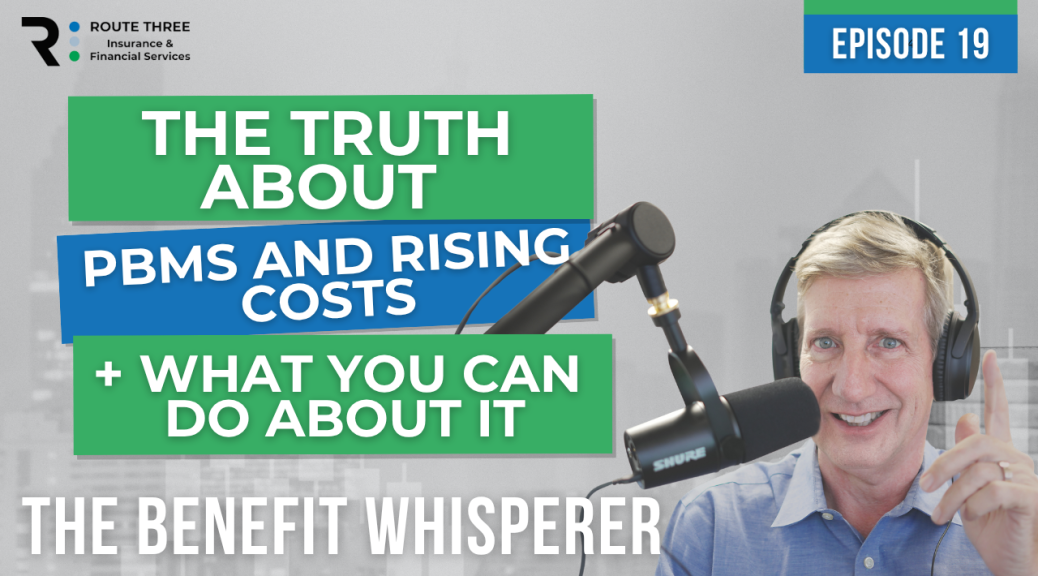
Healthcare costs are spiraling out of control, but most employers don’t realize they have the power to change the game.
In this episode of The Benefit Whisperer, Ralph Weber explains why CFOs and CEOs must step into the role of health plan architects because fiduciary responsibility doesn’t stop at payroll.
Ralph and co-host Bill Tucker dig into the truth about PBMs (pharmacy benefit managers) and how these companies profit from a system that drives up premiums and hides real costs.
Ralph breaks down the critical differences between fully insured and self-insured plans, why transparency is key, and how tools like MediPay.ai give companies leverage to save money while improving care for employees.
Here’s what discussions you can expect in the episode:
Resources:
Connect with Ralph Weber:
Podcast: Play in new window | Download | Embed
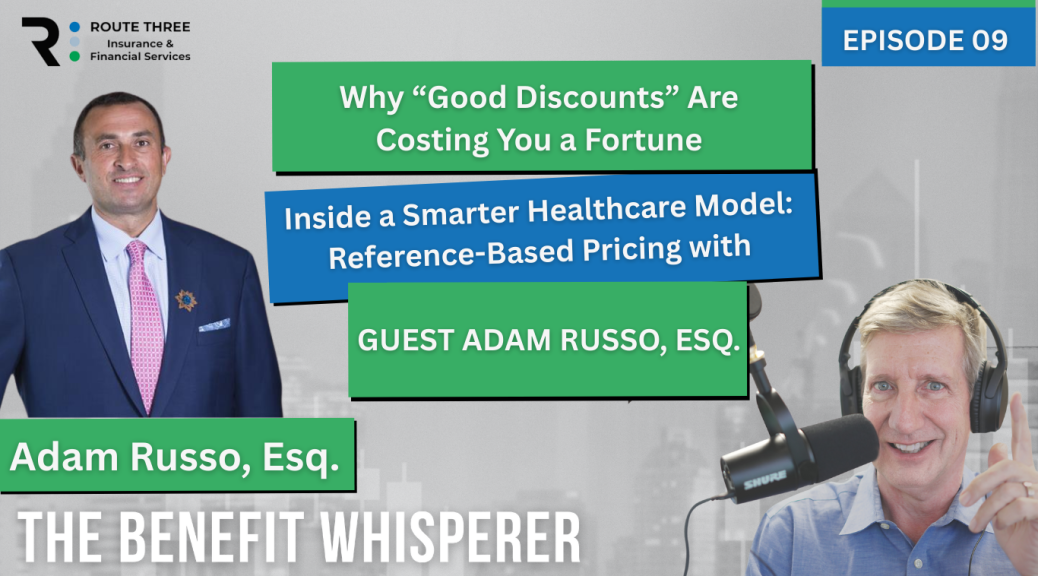
Is your PPO network actually saving you money—or just selling you a myth?
In this eye-opening episode of The Benefit Whisperer, host Ralph Weber sits down with Adam Russo, co-founder and CEO of The Phia Group, to expose the broken economics of traditional healthcare pricing. They dive deep into the real story behind Reference-Based Pricing (RBP), why most brokers avoid it, and how smart employers are slashing costs without cutting care.
✅ The truth about PPO “discounts”
✅ Why laziness—not logic—drives plan design
✅ How RBP protects patients from surprise billing
✅ What AI and price transparency mean for the future of healthcare
🎧 Whether you’re a CEO, benefits advisor, or just tired of rising deductibles and shrinking benefits, this episode will change how you think about cost, quality, and control in healthcare.
🔗 Learn more about Adam Russo and The Phia Group: https://phiagroup.com
📩 Contact Ralph: Ralph@thebenefitwhisperer.com
📞 Call: 832-924-3330
Chapters
00:00 Introduction to Healthcare Challenges
02:36 Understanding Reference-Based Pricing
06:40 The Necessity of Reference-Based Pricing
12:47 Consumerism in Healthcare
18:41 Addressing Balance Billing Concerns
22:22 The Power of Representation in Healthcare Billing
24:18 Understanding Healthcare Pricing Variance
26:40 The Importance of Patient Education
28:15 Challenges in Educating Employers and Employees
32:24 Implementing Reference-Based Pricing
34:54 Analyzing Healthcare Data for Cost Reduction
36:33 The Role of AI in Healthcare Transparency
👇 Drop a comment, share with a friend, and hit subscribe to never miss an episode of The Benefit Whisperer.
#healthcarecosts #RBP #benefitsstrategy #healthcaretransparency #thebenefitwhisperer #AdamRusso #employeebenefits #healthcarepodcast