Tag: Employer Healthcare Costs

The “HOME TEAM” Gets Paid 160x MORE. Is That Fair? (Ep. 45)

The “HOME TEAM” Gets Paid 160x MORE. Is That Fair? (Ep. 45)

In this episode of The Benefit Whisperer, Ralph Weber examines Tennessee’s proposed legislation, SB 2040 and HB 1959, aimed at preventing pharmacy benefit managers (PBMs) from owning pharmacies.

An audit from the Tennessee Department of Commerce & Insurance found instances where a major PBM allegedly reimbursed its own pharmacy up to 16,000% more than independent pharmacies for the same drug. One example cited showed reimbursement of approximately $9,000 versus $57 for identical medication quantities.

Independent pharmacist and healthcare policy advocate Benjamin Jolley explains:

• The structure of SB 2040 and HB 1959
• How these bills mirror Arkansas Act 624
• The economic impact of PBM vertical integration
• What AWP and reimbursement pricing really mean
• Why small employers and self-funded plans could bear the cost
• Legal challenges surrounding similar legislation

This episode explores healthcare market concentration, employer plan costs, and patient access issues through a fact-based policy discussion.

If you’re responsible for healthcare spend, this conversation deserves your attention.

Subscribe for direct, unfiltered conversations exposing waste in healthcare.

🎙 Hosted by Ralph Weber
📌 The Benefit Whisperer
Money From Sick People: How PBMs Use AWP, Spread, and Rebates to Inflate Drug Costs (Ep.43)

Money From Sick People: How PBMs Use AWP, Spread, and Rebates to Inflate Drug Costs (Ep.43)

PBMs promise big “discounts,” but what if those discounts are calculated off inflated prices? In this episode of The Benefit Whisperer, Ralph Weber interviews Antonio Ciaccia (46brooklyn Research / Three Axis Advisors) to decode the drug pricing alphabet soup, AWP, MAC, NADAC, rebates, and GPOs, and explain how incentives inside the pharmacy supply chain can drive costs up while still claiming “savings.”

Antonio shares why AWP remains the bedrock of legacy PBM contracting, how generic pricing can become a “Wild West,” and why rebates often amount to “money from sick people,” especially for members in high-deductible plans. Practical, plain-English steps for employers: understand compensation, get your full contract, and demand itemized claims data.

00:00 Unveiling the Pharmacy Benefits World

01:42 Antonio’s Journey into Drug Pricing

04:23 Understanding AWP and Its Implications

09:40 The Illusion of Discounts in Drug Pricing

13:06 The Role of PBMs in Drug Pricing

17:02 Challenges in Changing PBM Contracts

20:42 The Financial Incentives of PBMs

22:54 PBM Dysfunction in the Broader Healthcare Context

25:34 The Role of PBMs in Drug Pricing

27:57 Empowering Employers in Drug Cost Management

32:46 Decoding Drug Pricing Acronyms

36:30 The Impact of GPOs and Rebates on Drug Costs

41:44 Understanding the Burden on Patients and Employers

Ralph Weber, The Benefit Whisperer
Share with a colleague. Email ralph@thebenefitwhisperer.com · (832) 924-3330 · fixmybenefitsnow.com · Schedule a free 15 minute consultation

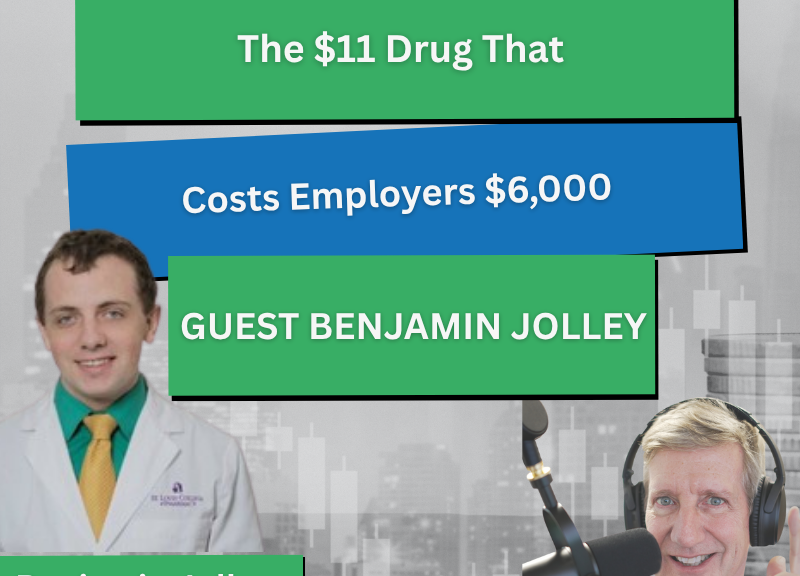
The $11 Drug That Costs Employers $6,000 (Ep. 11)

The $11 Drug That Costs Employers $6,000 (Ep. 11)

In this episode of The Benefit Whisperer, Ralph Weber and pharmacist Benjamin Jolley delve into the complexities of prescription drug costs, focusing on how employers can navigate pharmacy benefits management (PBM) to save money. They discuss the significant savings achieved by New Jersey, the impact of drug pricing strategies, and the legal implications for employers regarding PBM contracts. The conversation emphasizes the importance of employers being proactive in managing their pharmacy benefits to avoid costly pitfalls and ensure fair pricing for medications.

Chapters

00:00 Introduction to Prescription Drug Costs
03:25 Conclusion and Future Considerations