In this episode, Ralph Weber, known as the Benefit Whisperer, discusses the Affordable Care Act (ACA) and its implications for employers. He explains the responsibilities of applicable large employers (ALEs) under the ACA, including the requirements for minimum essential coverage and the penalties for non-compliance. The conversation also covers the differences between self-insured plans and fully insured plans, as well as innovative health reimbursement arrangements (HRAs) like ICHRA and QSEHRA, which provide flexibility for employers in offering health benefits to their employees.
00:00 Understanding the Affordable Care Act (ACA)
07:35 Minimum Essential Coverage Explained
15:43 Self-Insured Plans and Their Flexibility
America’s $1 Trillion Healthcare Problem: David Sheinker on How to fix it (Ep. 15)
What if the real problem with American healthcare isn’t medical but the familiar broken system that keeps your costs rising year after year? In this episode of The Benefit Whisperer, Ralph Weber sits down with Dr. David Scheinker, Founder and Director of SURF Stanford Medicine, to unpack:
Why rising costs are baked into the insurance model
How digitization, wearables, and standard contracts could finally cut the waste
What smart employers are doing now to fight back without waiting on Washington
If you’re an employer tired of paying for inefficiency and administrative games this conversation is your roadmap to do better.
👉 Watch the full episode and share it with your team.
👉 Subscribe to The Benefit Whisperer for real solutions.
👉 Book a free consultation with Ralph: https://bit.ly/3T6TUz0
👉 Follow David Sheinker’s work or get in touch: https://surf.stanford.edu/
Learn more: https://www.thebenefitwhisperer.com
00:00 Introduction to Healthcare Reform
01:23 The Vision for a Smarter Healthcare System
04:04 The Ma Bell Problem in Insurance
05:22 Insurance Profits and Healthcare Spending
06:26 The Medical Loss Ratio and Its Consequences
09:24 The Role of Competition in Healthcare
11:00 Direct Contracts and Innovative Health Plans
11:59 The Impact of TPAs and PBMs
13:02 Complexity and Transparency in Healthcare
15:33 Empowering Employers in Healthcare Decisions
17:43 Digital Medicine and Remote Patient Monitoring
19:12 Standardization in Healthcare Contracts
22:51 Medicare Advantage: Reform or Privatization?
24:18 Healthcare as a Human Right
25:37 Policy Tools for Healthcare Reform
27:31 Myths About Healthcare Reform
28:44 Final Thoughts on Healthcare Efficiency
Why Insurers Profit from Complexity and you Pay the Price with Guest David Scheinker (Ep. 14)
🎧 Episode 14: Dr. David Scheinker on Why Healthcare’s Complexity Isn’t an Accident
This week on The Benefit Whisperer, Ralph Weber is joined by Stanford’s Dr. David Scheinker, a leading voice in healthcare engineering and reform, to break down the $1 trillion in administrative waste baked into the U.S. healthcare system.
From vague insurance denials to year-long billing delays, Dr. Scheinker explains why these inefficiencies aren’t glitches, they’re features of a system designed to protect profits, not patients.
🔍 In this episode:
Why it took a year to bill for a pre-approved procedure
How AI is being used to fight appeals and deny claims
What the mortgage industry can teach healthcare
The root cause of system-wide complexity—and who benefits from it
If you’ve ever wondered why fixing healthcare feels impossible, this conversation offers rare clarity—and hope.
For benefits plans that eliminate waste and put employers back in control, visit routethree.com
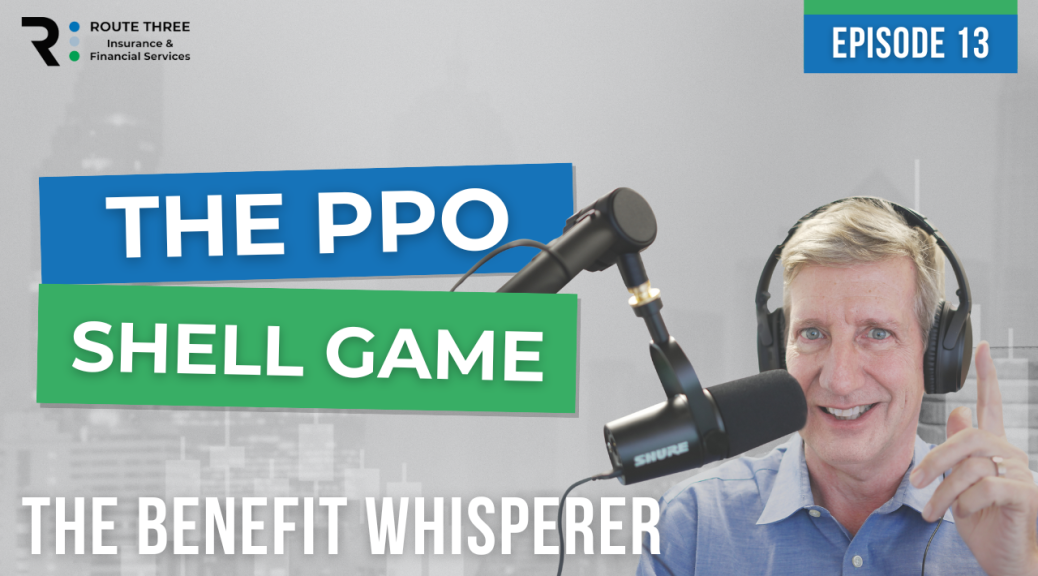
The PPO Shell Game: How Employers Get Trapped by Hidden Healthcare Costs (Ep. 13)
Group health benefits are often sold as a shiny package, but beneath the surface lies a complex system that’s costing employers far more than they realize.
In this eye-opening episode, Ralph Weber pulls back the curtain on PPO networks, revealing staggering price variances, like a CT scan that can cost anywhere from $635 to $19,830, depending on where you go and what you know.
Ralph unpacks the hidden mechanics behind cross-plan offsetting, opaque contracts, and the ways big insurance companies profit while businesses struggle with ballooning healthcare costs.
But this isn’t just an exposé, it’s a guide. Ralph shares actionable strategies like self-funding, direct contracting with hospitals, and reference-based pricing to empower employers to take control of their plans, reduce expenses, and provide better care for their teams.
What to expect:
The shocking truth behind PPO pricing & why you’re paying more than you should
How cross-plan offsetting could be draining your bottom line
Why self-funded plans give you the data advantage
Smart solutions like reference-based pricing and direct contracting
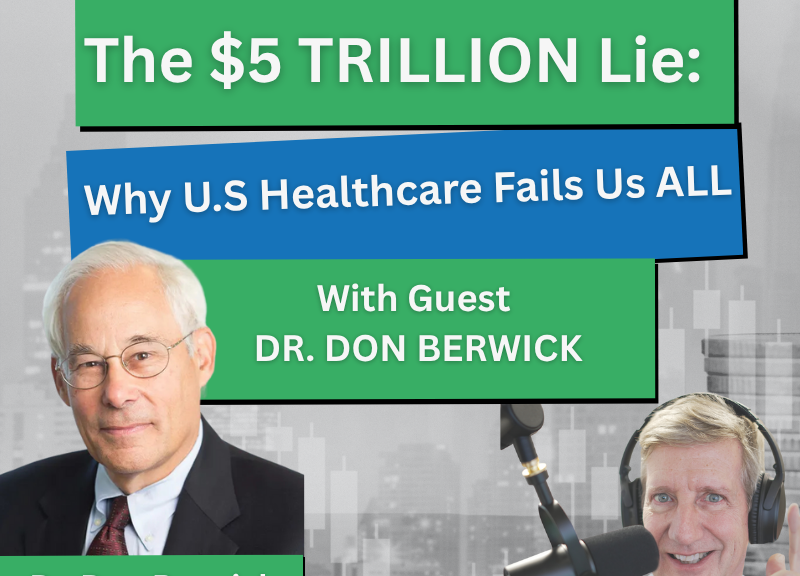
In this powerful episode of The Benefit Whisperer, host Ralph Weber is joined by legendary health policy expert Dr. Donald Berwick, former CMS administrator, Harvard-trained pediatrician, and co-founder of the Institute for Healthcare Improvement, for a candid and urgent conversation about what’s really broken in American healthcare.
Dr. Berwick pulls no punches as he exposes the systemic greed, institutional profiteering, and regulatory loopholes that continue to drive costs up while delivering subpar outcomes. From Medicare Advantage overpayments and PBM manipulation to private equity’s quiet takeover of hospitals and autism care, Berwick breaks down how a system designed to heal has become a $5 trillion machine that transfers wealth from the poor to the rich.
They also discuss the global models that prove a better way is possible, and why American employers, lawmakers, and voters must step up if we want real reform. If you’ve ever felt that our healthcare system isn’t working for you, this episode is essential listening.
Chapters
00:00 Introduction to Healthcare Reform
01:01 Dr. Berwick’s Journey in Healthcare
03:34 The Impact of Profit-Seeking in Healthcare
06:25 Defining Greed in Healthcare
10:27 Healthcare as a Human Right
14:28 The Role of Legislation and Public Activism
18:38 Aligning Incentives with Patient Outcomes
20:57 Employer Responsibility in Healthcare
22:48 Global Perspectives on Healthcare Systems
24:31 Myths About Choice in Healthcare
26:54 Urgent Changes Needed in Congress
28:09 The Role of AI in Healthcare
34:11 Reflections on Leadership Changes in Healthcare
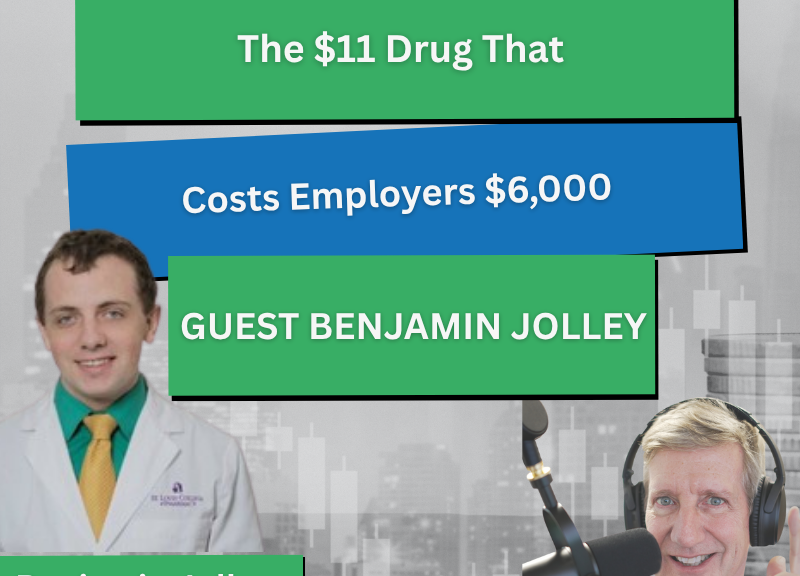
In this episode of The Benefit Whisperer, Ralph Weber and pharmacist Benjamin Jolley delve into the complexities of prescription drug costs, focusing on how employers can navigate pharmacy benefits management (PBM) to save money. They discuss the significant savings achieved by New Jersey, the impact of drug pricing strategies, and the legal implications for employers regarding PBM contracts. The conversation emphasizes the importance of employers being proactive in managing their pharmacy benefits to avoid costly pitfalls and ensure fair pricing for medications.
Chapters
00:00 Introduction to Prescription Drug Costs
03:25 Conclusion and Future Considerations
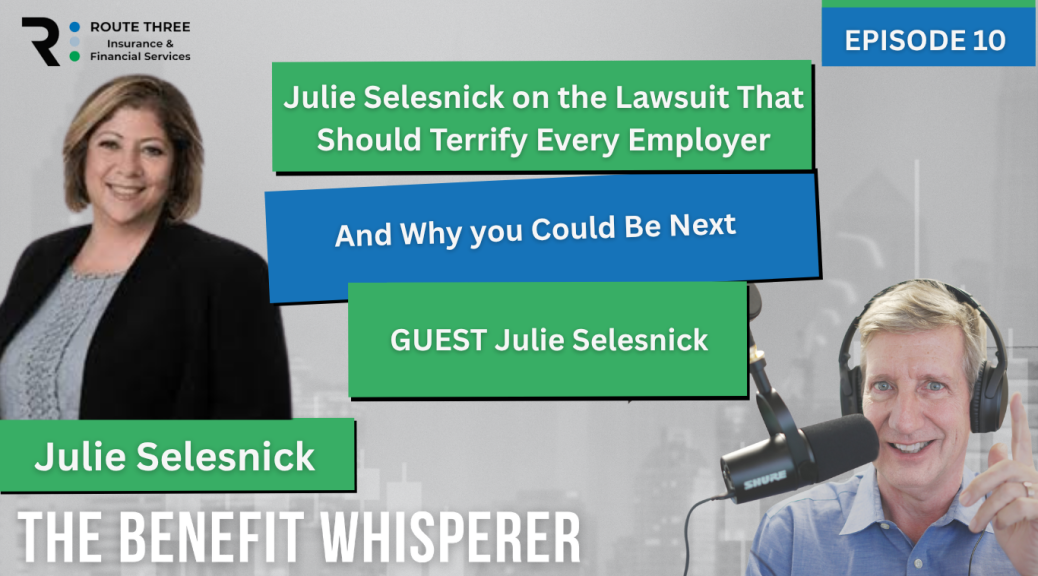
Julie Selesnick on the Lawsuit that Should Terrify Every Employer and Why You Could Be Next (Ep. 10)
In this must-watch episode of The Benefit Whisperer, Ralph Weber sits down with ERISA attorney Julie Selesnick to unpack one of the biggest legal stories in employee benefits: the JP Morgan healthcare lawsuit—and why it should matter to every employer and plan sponsor.
Julie brings 25+ years of legal experience and explains: ✅ What the JP Morgan case is really about ✅ Why PBMs (Pharmacy Benefit Managers) are under bipartisan fire ✅ How employers unknowingly violate fiduciary duties ✅ Why your broker might be working against your best interests ✅ What you must do now to protect your business and employees
This episode is essential for:
CFOs, HR Leaders, and Benefit Managers
Business owners with self-funded health plans
Anyone responsible for healthcare plan compliance
🎯 Learn how to safeguard your company from costly lawsuits and build a benefits plan that actually works.
🔔 Subscribe now for insider insights, unfiltered truths, and actionable strategies to reduce healthcare costs and improve employee benefits.
Is your PPO network actually saving you money—or just selling you a myth?
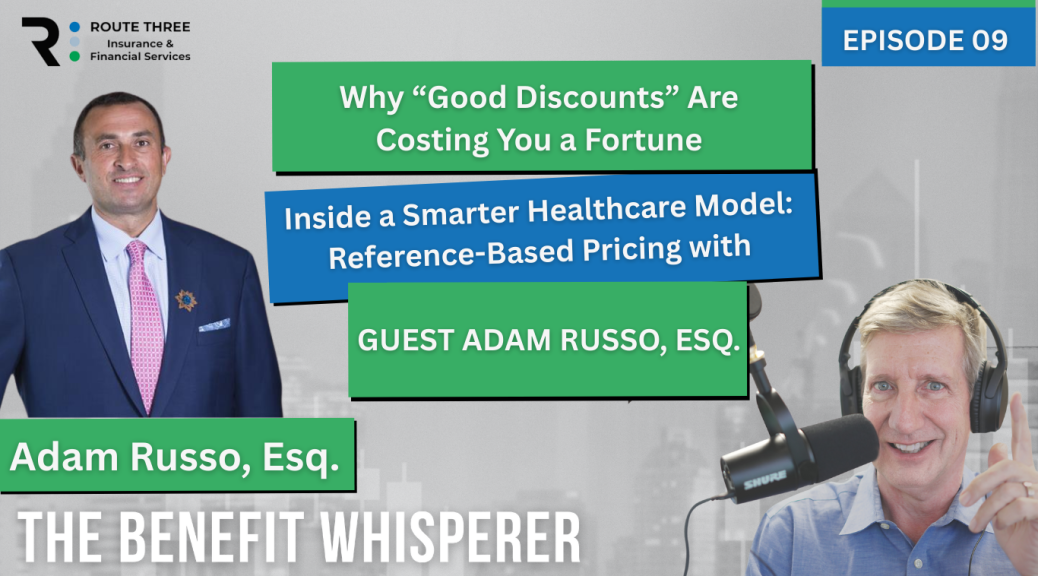
In this eye-opening episode of The Benefit Whisperer, host Ralph Weber sits down with Adam Russo, co-founder and CEO of The Phia Group, to expose the broken economics of traditional healthcare pricing. They dive deep into the real story behind Reference-Based Pricing (RBP), why most brokers avoid it, and how smart employers are slashing costs without cutting care.
✅ The truth about PPO “discounts” ✅ Why laziness—not logic—drives plan design ✅ How RBP protects patients from surprise billing ✅ What AI and price transparency mean for the future of healthcare
🎧 Whether you’re a CEO, benefits advisor, or just tired of rising deductibles and shrinking benefits, this episode will change how you think about cost, quality, and control in healthcare.
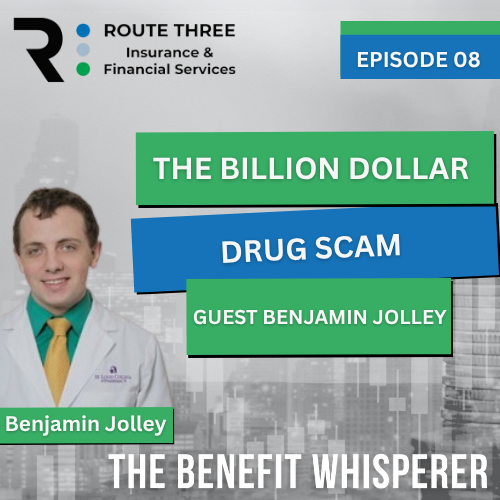
Why Are Prescription Drugs So Expensive? The Truth About PBMs, Spread Pricing & What Employers Can Do
In this eye-opening episode of The Benefit Whisperer, host Ralph Weber sits down with pharmacist and reform advocate Benjamin Jolley to expose the hidden forces behind America’s skyrocketing prescription drug costs. 💊
From shocking stories of $1,800 bills for $140 drugs to the disturbing influence of pharmacy benefit managers (PBMs) and their spread pricing schemes, this conversation breaks down complex systems with clarity—and urgency.
🔥 Highlights include:
Why the U.S. pays more for drugs than almost any other nation
How a New Jersey benefits plan saved $1 BILLION just by rewriting its contract
The dangerous power of vertically integrated PBMs like CVS Caremark
The recent bipartisan push by 39 state Attorneys General to break up monopolies
How employers and CFOs can protect themselves from being held personally liable
If you’re an employer, benefits administrator, policymaker—or just someone wondering why your prescriptions are so expensive—this is a must-watch.
📌 Chapters: 0:00 – Welcome + Prescription Drug Teaser 0:41 – Meet Benjamin Jolley 1:00 – Why Prescription Costs Are So High 4:00 – What Is Spread Pricing? (Shocking Example) 8:00 – Silencing Critics: Non-Disparagement and Audits 13:00 – What Should Employers Be Paying Per Member? 17:40 – 39 Attorneys General Demand PBM Reform 21:00 – New Jersey’s $1B Savings by Rewriting a PBM Contract 25:00 – Closing Thoughts + How to Reach Benjamin
What Every Business Owner Needs To Know About Level-Funded Plans (Ep. 7)
Are you overpaying for employee benefits without leveraging their full potential? Discover how to make your benefits strategy work smarter, not harder with level-funded plans!
Ralph Weber dives into why group benefits shouldn’t just be numbers on a spreadsheet but powerful tools that can attract talent and secure your business’s future. Ralph unravels the advantages of level-funded plans, particularly for small businesses with fewer than 100 employees, which make up roughly 98% of all US businesses.
Ralph explores how level funding offers a blend of flexibility and cost-effectiveness unseen in fully insured plans, cutting through the confusion of healthcare regulations like the ACA.
Key conversation points include:
(00:57) The difference between fully insured and level-funded plans
(02:19) The financial impact of the ACA on small businesses
(08:45) How level funding can offer significant refunds
(12:23) Strategies for maintaining affordable healthcare coverage
(25:23) Options beyond level funding for diverse employer needs